Ed Sheeran In Hot Waters As Tour Openers Quit After Macklemore’s Removal From Tour
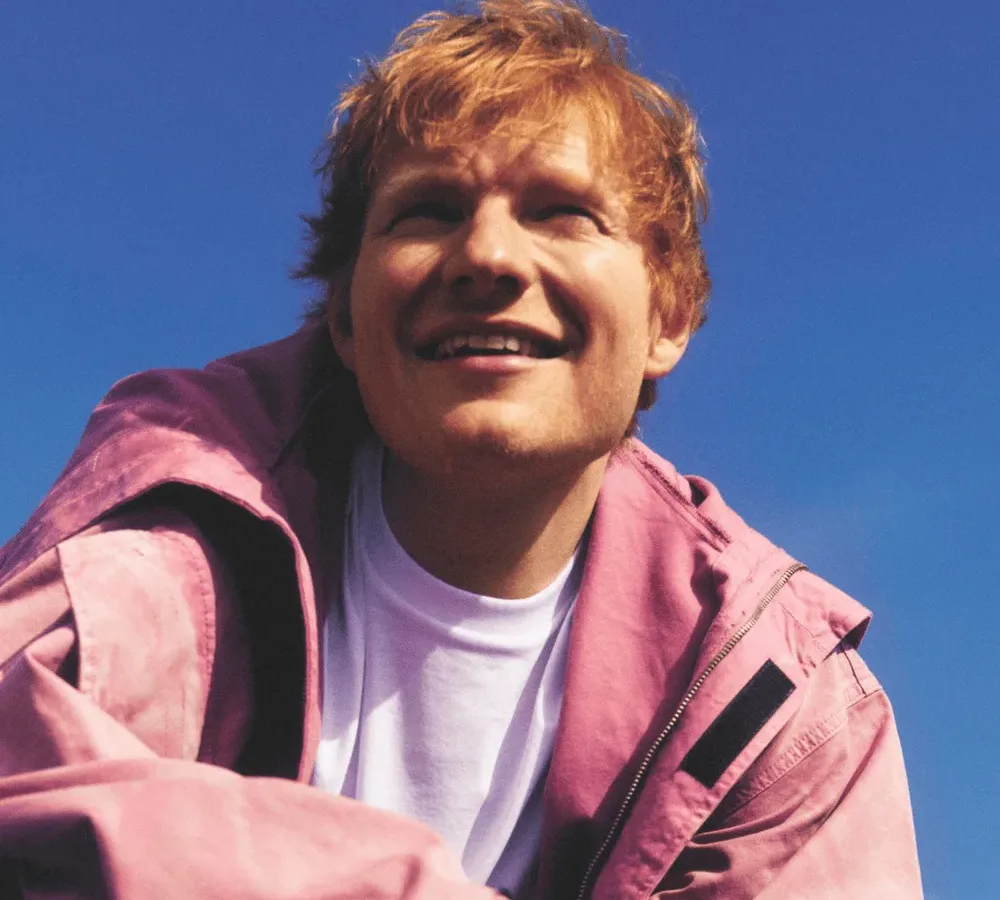
What started as Macklemore using the stage to say “Free Palestine” has now turned into a much bigger storm surrounding Ed Sheeran’s Loop Tour. Macklemore is out, Sheeran is defending his role in the decision, and one by one, the artists scheduled to perform alongside him are walking away.
The controversy began after Macklemore used two appearances at New Jersey’s MetLife Stadium to speak openly about Palestinians and perform “Hind’s Hall,” his protest song supporting Palestinian rights. During the shows, he also told the crowd that he wanted people in Gaza and the occupied West Bank to know they had not been forgotten.
Not long after, the situation moved from the stage to the business side of the tour. According to reports, several stadium owners told Sheeran’s team and promoters they would not host upcoming shows if Macklemore remained on the lineup. Messina Touring Group, the promoter handling the U.S. leg, ultimately removed him from the remaining dates.
Sheeran then stepped into the middle of the backlash. On Tuesday, September 15, he said the decision to remove Macklemore was made by the promoter and venues, not by him. Sheeran said he had tried to bring Macklemore, promoters, venue owners and activists into the same conversation in an attempt to find a compromise, but those efforts went nowhere.
Sheeran also addressed the wider Israel-Palestine conflict, saying he was “appalled” by the suffering on both sides. He explained that he generally keeps his political views private and wants his concerts to remain places where people from different backgrounds can come together rather than political battlegrounds. He also pushed back against suggestions that staying publicly quiet meant he did not care, writing, “I am not complicit.”
But that explanation did not end the debate. Critics quickly pointed to Sheeran’s public support for Ukraine after Russia’s 2022 invasion, when he participated in the Concert for Ukraine fundraiser and publicly expressed solidarity with Ukrainians. That earlier stance has now resurfaced as people question why Sheeran has chosen a more private approach to the Israel-Palestine conflict.
While Sheeran tried to explain his position, the reaction from the musicians around him became impossible to ignore.
Aaron Rowe, who was scheduled to perform on the remaining North American dates, announced that he was leaving the tour. The Irish singer said his country’s own history with famine and occupation shaped his decision and argued that wealthy venue owners should not have the power to silence artists speaking about Palestinian suffering.
Irish folk group Beoga followed. The band has worked with Sheeran for more than a decade and had been performing as part of his live setup. Even while stressing that their friendship with Sheeran would continue, they said they could not remain on the tour after Macklemore was removed over his political expression.
Danish pop group Lukas Graham also walked away. Frontman Lukas Forchhammer argued that artists should be able to speak about war, civilian deaths and children caught in conflict, regardless of how much money they or the people controlling the venues have.
Then came Finneas, who was scheduled to join Sheeran for six South American shows later in the year. He announced that he was withdrawing as well, saying artists should not be silenced when speaking about oppressed people and expressing his support for Palestinians.
With those departures, all four scheduled supporting acts for Sheeran’s upcoming dates had pulled out. Beoga’s departure also meant Sheeran lost the band that had been performing alongside him during portions of his shows.
Behind the controversy is also the influence of Robert Kraft, owner of the New England Patriots and Gillette Stadium. Kraft objected to Macklemore’s participation and cited what he described as the rapper’s broader history of antisemitic rhetoric and imagery. Macklemore has rejected accusations that his criticism of the Israeli government is antisemitic, maintaining that his message is about Palestinian freedom and human rights.
What began with one rapper making a political statement onstage has therefore become a much larger confrontation involving artists, promoters, stadium owners and the question of how much control powerful institutions should have over what performers are allowed to say.
For Sheeran, the message is that the decision was not his. For Macklemore and the artists who have since left the tour, the issue is about more than one concert or one lineup change. And as the fallout continues, the Loop Tour has become an unexpected stage for a much bigger argument about music, money, political expression and the price artists may pay for speaking out.