The Deadly Ebola Confirmed In Nigeria Again! What To Watch Out For & How To Protect Yourself
The Federal Ministry of Health and Social Welfare yesterday Tuesday, October 20, 2026, confirmed a case of Ebola in Nigeria following positive laboratory test results. The infected individual, a woman who travelled to Nigeria on an international flight from Uganda, was admitted to a private hospital in the Federal Capital Territory (FCT), where she received medical attention before the infection was confirmed.
The woman is currently in isolation and undergoing treatment, while public health officials work to contain the potential spread of the virus. So far, 44 close contacts have been identified for monitoring. They include healthcare workers, patients, caregivers and travel contacts who may have been exposed to the infection.
In response, the Federal Government has urged public and private healthcare facilities across the country to heighten surveillance, promptly identify suspected Ebola cases and report them to the appropriate public health authorities.
As health officials intensify efforts to prevent further transmission, public awareness remains crucial. Nigerians need to understand how Ebola spreads, recognise its warning signs and symptoms, and know when and where to seek medical care.
The Ebola Virus Disease (EVD)
Ebola virus disease (EVD), commonly known as Ebola, is a severe and potentially life-threatening infectious disease caused by viruses in the Ebolavirus group. It was first identified in 1976 in outbreaks in Central Africa. Ebola can cause serious illness in humans and some nonhuman primates, such as monkeys and gorillas. The disease can spread rapidly in communities when appropriate infection prevention and control measures are not followed.
How Ebola Is Transmitted
Ebola is transmitted through direct contact with the blood or other body fluids of an infected person who is sick or has died, including saliva, vomit, sweat, urine, faeces, breast milk, and semen. The virus can enter the body through broken skin or the eyes, nose, or mouth. Transmission may also occur through contaminated needles, medical equipment, clothing, bedding, and other objects.
People may initially become infected through contact with infected wild animals, including fruit bats and nonhuman primates. Ebola does not usually spread through the air like measles or influenza. A person who has not developed symptoms is generally not considered infectious through ordinary contact, although transmission risks can persist in certain body fluids, particularly semen, after recovery.
Symptoms of Ebola
Symptoms usually begin between 2 and 21 days after exposure, most commonly within 8–10 days. Early symptoms may resemble those of malaria, typhoid fever, or other common infections, making medical assessment essential.
Common symptoms include:
- Fever, headache, and severe tiredness.
- Muscle and joint pain.
- Sore throat and weakness.
- Loss of appetite.
- Vomiting and diarrhoea.
- Abdominal pain.
- Skin rash in some cases.
In severe cases, patients may develop internal or external bleeding, organ damage, shock, and other life-threatening complications. However, bleeding does not occur in every case. Anyone who develops compatible symptoms after possible exposure should seek urgent medical attention and inform healthcare workers about the exposure.
Treatment of Ebola
There is no single treatment that cures every type of Ebola virus infection, but early medical care can significantly improve the chances of survival. Treatment includes supportive care, such as providing fluids and electrolytes, maintaining oxygen and blood pressure, treating other infections when necessary, and managing complications.
For certain infections caused by Zaire ebolavirus, specific monoclonal antibody treatments, including Inmazeb and Ebanga, have been approved for use in the United States. Treatment availability depends on the virus species and local health guidance. Vaccines are also available for prevention against certain types of Ebola virus, particularly Zaire ebolavirus.
Patients should be managed by trained healthcare professionals in appropriate isolation facilities to protect both patients and the wider community.
Prevention of Ebola
Ebola can be prevented through several important measures:
- Avoid contact with infected body fluids: Do not touch the blood or bodily fluids of suspected or confirmed cases without appropriate protective equipment.
- Practise good hand hygiene: Wash hands with soap and water or use an appropriate alcohol-based hand sanitiser.
- Use protective equipment: Healthcare workers should use recommended personal protective equipment and follow strict infection prevention procedures.
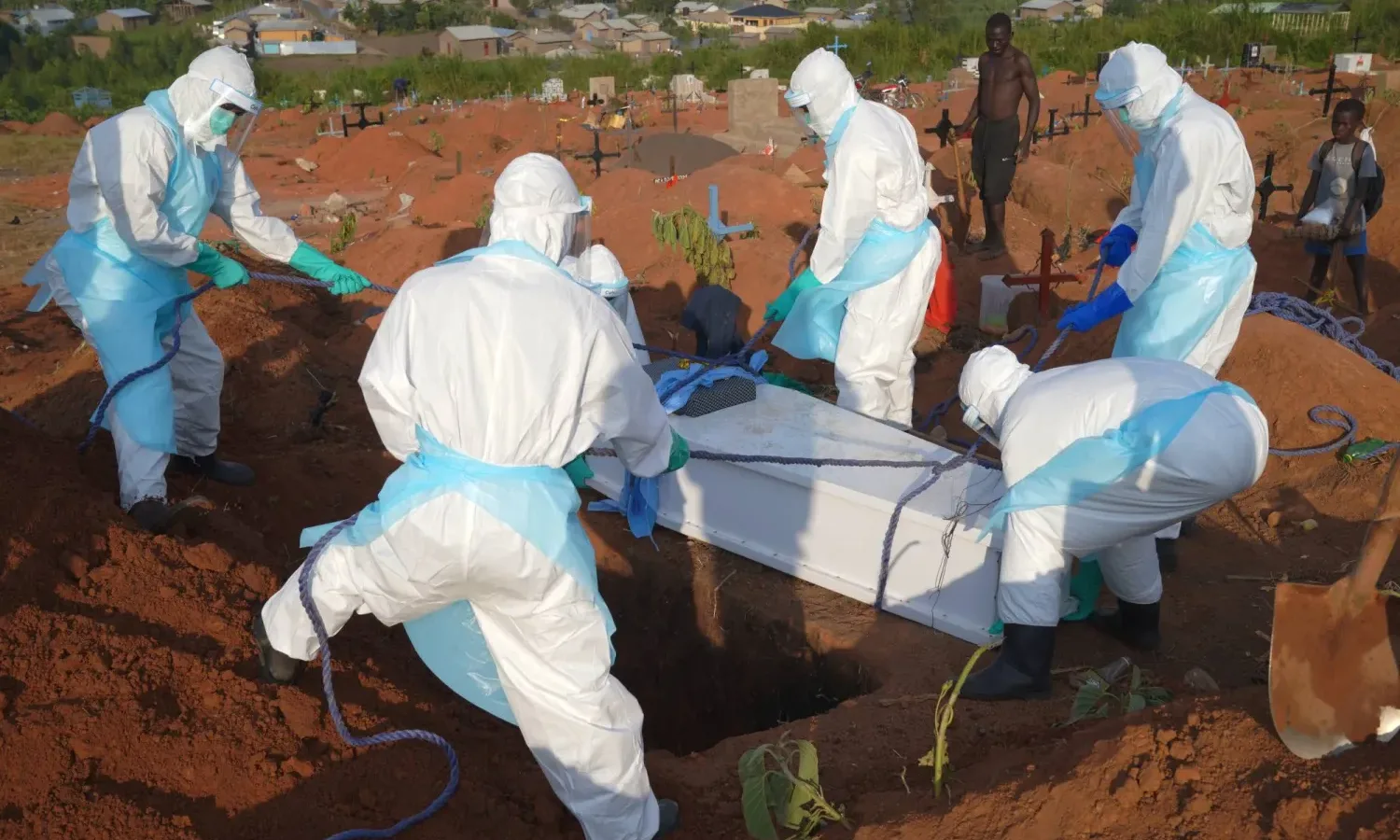
- Avoid unsafe burial practices: Bodies of people who have died from Ebola remain potentially infectious and must be handled by trained burial teams.
- Avoid contact with potentially infected wildlife: Do not handle sick or dead wild animals, and cook animal products thoroughly.
- Seek medical care early: Report suspected exposure or symptoms promptly to healthcare authorities.
- Support vaccination and public health measures: Eligible people should follow vaccination guidance during outbreaks, while communities should cooperate with contact tracing and other public health interventions.
- Practise safer sex after recovery: Survivors should follow public health advice on semen testing and safer sexual practices because the virus can persist in semen for a period after recovery.